
Yarn Weights and what they mean
Have you ever picked up a new pattern and noticed the yarn weights look completely different depending on whether the designer is from the US, UK, EU, or Australia? You’re not imagining it - each region uses its own system, which can make choosing the right yarn feel more confusing than it needs to be.
In Australia, we traditionally use ply.
In the US, you’ll see names like Lace, Super Fine, Light, Light Worsted, Worsted, Chunky, and so on. So, what do all these terms acutually mean, and how do you know you are buying the right weight of yarn for your project?
Ply vs. Weight - What’s Really Going On?
At Liesel’s Loop, our 4ply cotton is technically a 6/4 weight and our upcoming 8ply cotton is an 8/8 weight.
The first number is the base size or count of a single cotton strand (its thickness).
The second number is the number of plies - the individual stands twisted together.
This means that even though we call something “4ply” in Australia, not all yarns are the same thickness. The ply count alone doesn’t tell the full story.
And Then There Are the Symbols
To make things even more interesting, many yarn labels include a universal number symbol:
0 [Lace]
1 [Super Fine]
2 [Fine]
3 [Light]
4 [Medium]
5 [Bulky]
6 [Super Bulky]
7 [Jumbo]
These symbols are used worldwide - but how to they relate to the ply systems we’re used to here in Australia?
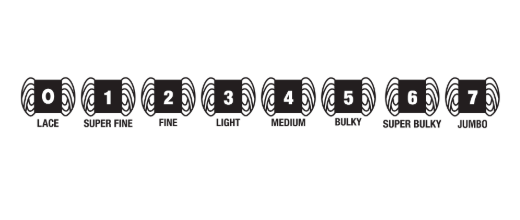
Yarn Weight Symbols
How We Label Yarn at Liesel’s Loop
All of our yarn will always include the universal weight symbols (0-7) and the cotton count numbers such as 6/4, 8/4, or 8/8. Since importing yarn, I’ve learned far more about how yarn weights are classified around the world - and it turns out the terminology matters more than most people realise. Using the correct language helps you choose the right yarn, understand patterns from any country, and feel confident in your project.
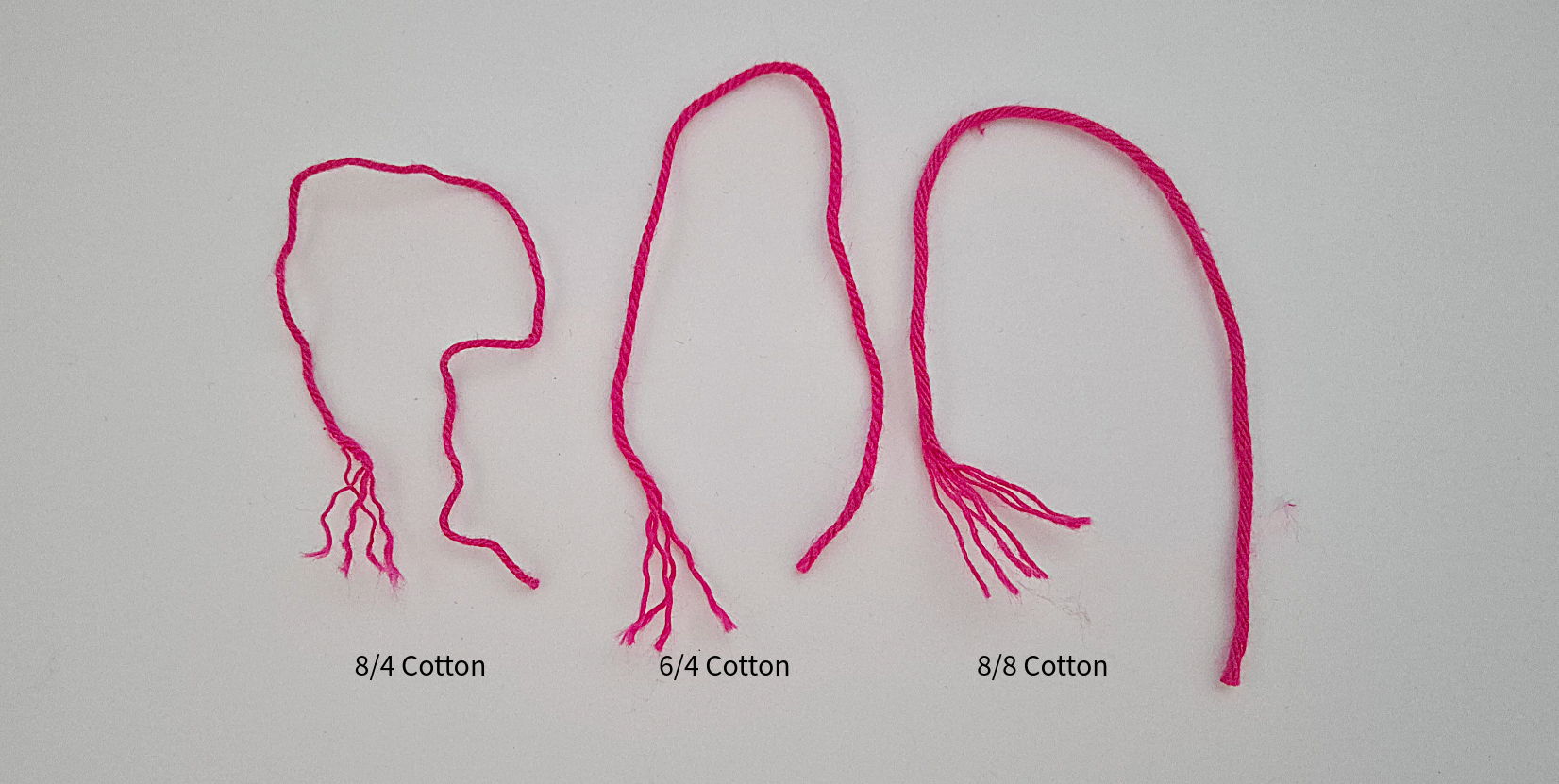
Cotton Sample - with strands
The image above is of the different yarn samples with weight and ply.
So… Why is 6/4 Yarn Thicker Than 8/4 yarn?
It feels backwards at first, doesn’t it? You would think a bigger number would mean a thicker yarn - but in the cotton world, it’s the opposite.
The reason comes down to the indirect cotton count system:
As earlier, the first number (6 or 8) describes the thickness of a single cotton strand.
In this system, lower numbers mean thicker strands
The second number tells you how many of those strands are twisted together (the ply count).
So even though both 6/4 and 8/4 yarns have four plies, the strands inside a 6/4 yarn are thicker than the strands inside an 8/4 yarns, which make the finished yarn thicker overall.
In short:
6/4 = thicker single strands + four plies
8/4 = finer single strands + four plies
This is why two yarns that both look like “4ply” in Australian terms can behave very differently in your hands.
Understanding yarns weights across different countries can feel a little overwhelming at first, but once you know how the systems fit together - ply, cotton count, and the universal symbols - everything starts to make sense.
By including both the universal weight symbols and the cotton count numbers on our labels, my goal is to make choosing yarn simpler, clearer, and far more accurate. Whether you’re following a pattern from Australia, the US, or anywhere else in the world, you’ll be able to match the yarn weight confidently and understand exactly what you’re working with.
Yarn should be a joy to choose - not a puzzle to solve. And if you ever find yourself unsure, I’m always here to help you pick the perfect yarn for your project.